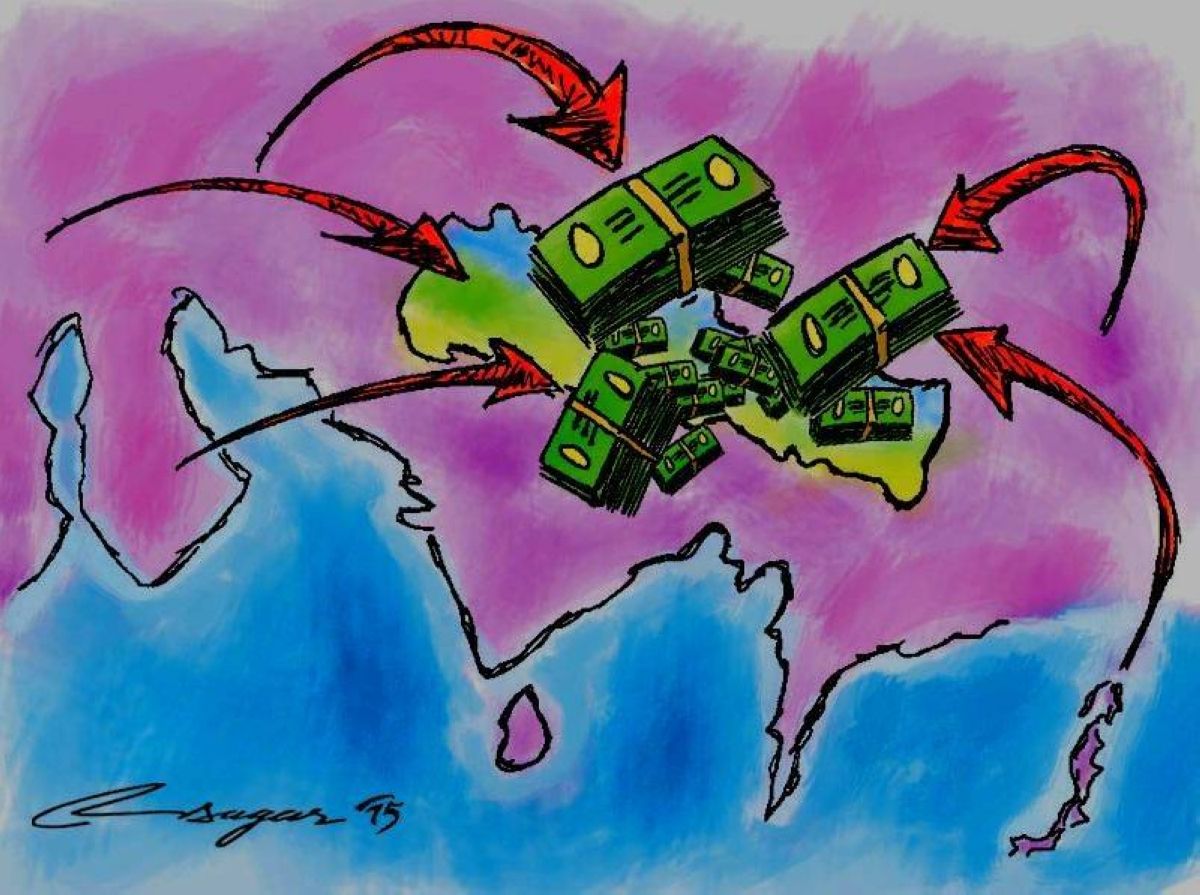
Nepal received Rs 436.36 billion in remittances in the first two months of fiscal year 2026/27, which began in mid-July, according to Nepal Rastra Bank's latest report on the country's macroeconomic and financial situation. That is 23.9 percent more than in the same period a year earlier and equivalent to about $2.85 billion.
The pace has eased, however. The Himalayan Times noted that inflows had grown 33.1 percent over the same two months of the previous fiscal year. The month of Bhadra (mid-August to mid-September) alone brought in Rs 221.31 billion, against Rs 174.67 billion a year before. Net secondary income, which includes remittances and other transfers, reached Rs 469.44 billion.
Labour figures point in a different direction. Final approvals for first-time foreign employment fell to 78,320 from 90,198, while re-entry approvals for workers returning to jobs abroad rose to 52,163 from 45,884, Republica reported. The numbers suggest a growing share of migrants are renewing existing contracts rather than leaving for the first time.
Deposits pile up in banks
Bankers say remittances are the main driver of deposit growth. Deposits at banks and financial institutions rose by Rs 204 billion between mid-July and 11 October, the largest first-quarter increase in five years, the Kathmandu Post reported, citing central bank data.
Lending also picked up, with Rs 133 billion of new credit over the same period compared with Rs 30 billion a year earlier. But bankers interviewed by the Post attributed much of that to higher import costs, a stronger dollar and festive borrowing, and cautioned against reading it as a broad recovery. Surplus loanable funds stood at an estimated Rs 1.56 trillion.
Sources
The Himalayan Times (external link); Republica (external link); The Kathmandu Post (external link)
Read online: https://ujyaalotoday.com/en/article/remittance-rs436-billion-first-two-months

Comments
No comments yet. Comments appear once an editor has approved them.